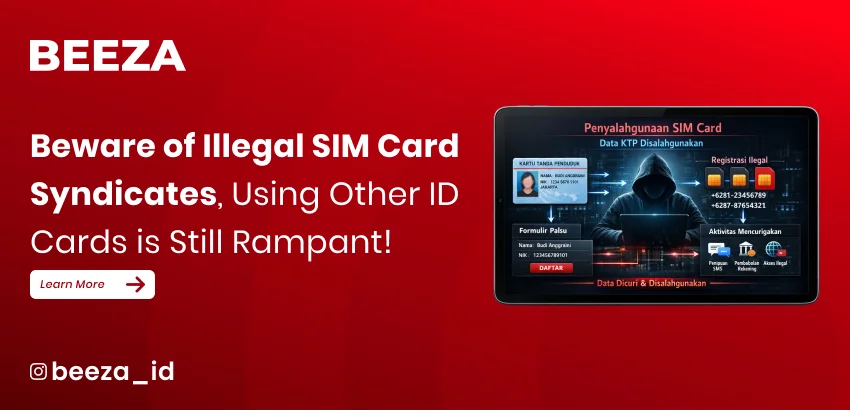
In today’s hyper-connected digital landscape, personal data has become a highly valuable yet vulnerable commodity. One of the most alarming threats currently trending is the misuse of National Identity Numbers (NIK) and Identity Cards (KTP) by irresponsible groups. A prominent method used in these crimes is the Illegal SIM Card Syndicate, which exploits stolen identities for various criminal purposes.
Many people feel secure assuming they haven’t shared their ID photos carelessly. However, modern cybercriminals use sophisticated methods to obtain this data, ranging from large-scale data breaches and leaks on e-commerce platforms to clever social engineering scams.
How an Illegal SIM Card Syndicate Operates
An Illegal SIM Card Syndicate typically functions with a systematic and massive operational scale. They don’t just target a few individuals; they hunt for thousands of ID details simultaneously to activate prepaid cards in bulk. Here is their general workflow:
- Massive Data Collection: Personal data (names, ID numbers, addresses) is harvested from security loopholes in digital platforms or purchased through illegal “dark web” forums.
- Automated Mass Registration: Using specialized software or hardware tools, the Illegal SIM Card Syndicate registers thousands of prepaid numbers using stolen identities without the legitimate owners’ knowledge.
- Distribution for Criminal Activity: These pre-activated SIM cards are then sold to third parties or used directly for illegal activities, such as SMS-based scams, bank account takeovers, or spreading misinformation (hoaxes).
The impact is devastating for the victim. Legitimate ID owners may suddenly find themselves entangled in legal issues because the digital footprint of the phone number leads directly to their identity.
The Real Dangers Behind the Illegal SIM Card Syndicate
Identity misuse by an Illegal SIM Card Syndicate is not merely a technical glitch; it is a serious legal threat. When your identity is used in a criminal offense, the law initially points to you as the registered owner of that specific ID number.
Beyond legal risks, victims also face significant financial losses. Since most financial and banking services today use phone numbers as a primary verification tool, access to a SIM card registered in your name provides a gateway for criminals to drain your balance or apply for illegal online loans under your name.
Preventive Steps to Protect Yourself from an Illegal SIM Card Syndicate
In the face of evolving threats, personal awareness is the first line of defense. Here are several mandatory steps to ensure you do not become the next victim:
- Never Share Your ID Photo Carelessly: Avoid uploading personal documents to social media or sending them via messaging apps to parties without an official and urgent requirement.
- Beware of Phishing: Never click on suspicious links asking for your ID number or other personal data. Always verify the website URL before entering any information.
- Check Your SIM Card Registration Status: Periodically use the “Check NIK” feature provided by cellular operators to see how many numbers are registered under your ID. If you find unrecognized numbers, report them to the official operator immediately.
- Enable Multi-Factor Authentication: Activate Two-Factor Authentication (2FA) on all your digital accounts to provide an extra layer of security in case your data is leaked.
Conclusion
Personal data security is a collective responsibility. An Illegal SIM Card Syndicate will continue to look for loopholes as long as the public remains unaware of digital privacy protection. By understanding their modus operandi and implementing strict security protocols, we can break the chain of this cybercrime.
Do not let your identity become a tool for others to commit crimes. Be a smart, vigilant digital user, and always protect your personal information wherever you are.
Protect Your Identity with Beeza
Data security is no longer an option—it is a necessity. Do you want to ensure your business systems are protected from identity theft or strengthen your secure verification systems?
Learn more about digital security solutions and identity protection on our official website!