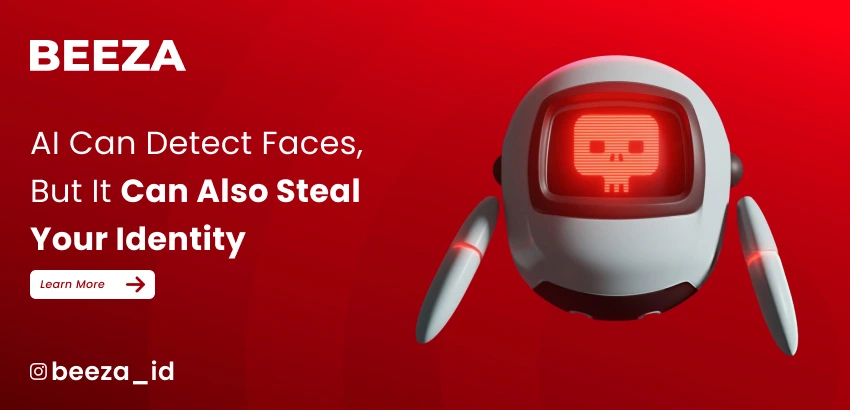
AI is increasingly present in every aspect of digital life. On one hand, the technology helps protect data and verify identities with high accuracy. On the other hand, AI’s ability to replicate faces and voices can be exploited to deceive, steal identities, or create realistic fake digital content. This phenomenon highlights that technological innovation always comes with new challenges in digital security.
AI as a Digital Identity Protector
Artificial intelligence has become the backbone of modern digital security systems. From banking apps to online public services, AI plays a key role in recognizing users and detecting unusual transaction patterns.
Key benefits of AI in protecting digital identities include:
- Accurate Biometric Verification: Facial recognition, iris scans, and voice recognition ensure that only authorized users can access systems.
- Real-Time Fraud Detection: AI algorithms can identify suspicious behaviors or anomalies, reducing the risk of fraud.
- Process Efficiency and Automation: User onboarding can occur faster without lengthy manual steps.
According to a Deloitte Global 2024 survey, companies implementing AI in digital security reported a 40% reduction in fraud cases and increased customer trust in digital services.
Moreover, AI integration helps financial institutions comply more effectively with KYC (Know Your Customer) and AML (Anti-Money Laundering) regulations.
The Dark Side: Deepfakes and AI Fraud
Despite its benefits, AI carries potential risks. One major concern is deepfakes, which allow AI to generate realistic but fake images, voices, and expressions of people.
The impact of malicious AI applications includes:
- Identity Theft: A user’s face can be replicated to access digital accounts, sensitive documents, or financial services without permission.
- Financial Scams: Deepfakes are often used to impersonate CEOs or executives to authorize fraudulent transactions.
- Spreading Fake Content: AI-generated videos or images can fuel misinformation, social conflicts, or damage personal and corporate reputations.
Cybersecurity Ventures 2025 reports a 30% increase in deepfake and AI fraud cases compared to the previous year, emphasizing the need for robust oversight in AI deployment.
Enhancing Digital Literacy and User Awareness
Managing AI risks also requires user education. Higher digital literacy reduces the likelihood of individuals falling victim to fraud. Recommended steps include:
- Verify Content Sources: Do not immediately trust videos or images on social media; always check their origin.
- Be Wary of “Too Perfect” Content: If visuals look suspiciously flawless or closely resemble someone you know, verify further.
- Limit Biometric Sharing: Avoid granting third-party apps access to facial, voice, or fingerprint data without security guarantees.
Digital awareness is key to leveraging AI as a security tool while minimizing its misuse.
Technology Solutions to Mitigate Risks
Organizations are implementing additional technologies to strengthen digital security in the AI era:
- Face Match & Liveness Detection: Ensures the verified face belongs to a real person, not a photo or video.
- Digital Signatures: Guarantees the authenticity of digital documents and prevents content tampering.
- Layered Authentication: Combines biometrics with passwords or OTPs for stronger security.
Such solutions are becoming industry standards to protect users and sensitive data.
Digital Security: The Foundation for AI’s Future
The effectiveness of AI as a digital identity protector relies on a strong security foundation. Solutions like Beeza provide comprehensive tools for digital identity verification, biometric authentication, and secure digital signatures.
Automated systems reduce fraud risk, streamline user onboarding, and ensure all transactions are transparently recorded.
This foundation allows AI innovation to thrive without compromising data security.
Conclusion: Innovation Must Align with Security
AI has two clear sides: one as a protector of data and digital identity, and the other as a potential threat through deepfakes and fraud.
With the right technology, user education, and regulatory compliance, the digital world can be safer, more efficient, and trustworthy.Start protecting your digital identity today.
Learn how Beeza helps organizations, companies, and individuals secure digital identities with e-KYC, face match, and digital signatures at beeza.id.