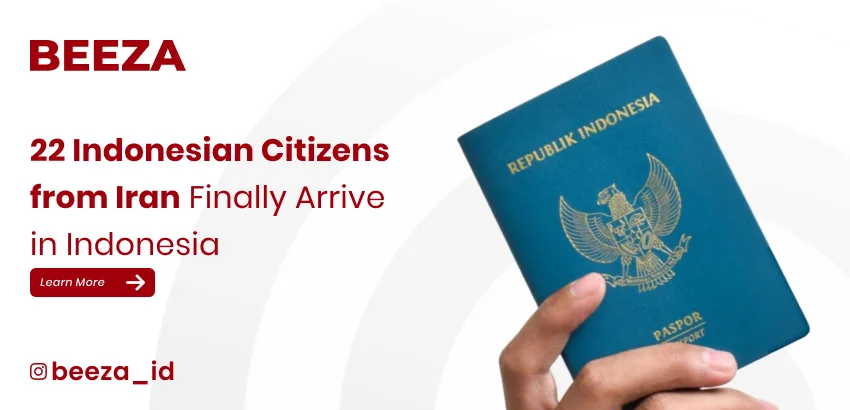
The return of citizens to their homeland is always a significant event that draws national attention and involves deep emotional weight. Recently, 22 Indonesian citizens (WNI) who were previously in Iran have finally arrived safely back in Indonesia. This repatriation process was more than just a flight; it was a complex operation requiring seamless coordination between various government agencies, from foreign diplomacy to border security protocols.
This successful return demonstrates a strong national commitment to protecting citizens abroad, especially those in regions with high political or security dynamics. However, behind this success lies a critical aspect often invisible to the public: a robust identity verification system and the management of transit data that must operate without flaws.
The Repatriation Process and Citizen Protection
Bringing back 22 citizens from Iran involved tight coordination between the Ministry of Foreign Affairs, relevant embassies, and local immigration authorities. The primary challenge in such processes is ensuring that every individual being repatriated possesses valid travel documents and a correctly verified identity. In a fast-paced global environment, documents like passports are the only legal link connecting a citizen to their country’s protection.
Upon arrival, each citizen undergoes a series of administrative checks at the airport. This is done to ensure no data discrepancies hinder their rights after returning to Indonesia. This process also includes re-registration to ensure they have access to any necessary health services or social assistance required after their journey from abroad.
Challenges of Document Verification at the Border
International borders are the most critical points in a nation’s security system. The return of groups in large numbers demands a highly efficient identity management system. Currently, physical passports are being supported by digital technology to speed up the screening process without compromising security standards.
A common issue is the potential for forged documents or identity manipulation by irresponsible parties. Therefore, Indonesian immigration authorities continue to update their scanning technology. Biometric verification, such as fingerprinting or facial recognition, has become the gold standard to ensure that the person holding the passport is truly the legitimate owner. This is essential to prevent transborder crime and protect national data sovereignty.
The Role of Technology in Travel Data Management
In the age of digital transformation, managing travel data is no longer a manual task. Immigration management information systems must be capable of integrating data from various sources in real-time. When these 22 citizens landed, their data was immediately entered into a national system that allows the government to monitor their status accurately.
Biometric technology and E-KYC (Electronic Know Your Customer) play a massive role here. These tools are not only for banking but are vital for national administrative purposes. With a strong digital identity, the process of repatriating citizens can be faster, safer, and more transparent. The state can easily recognize its citizens even in emergency situations where physical documents might be damaged or lost.
Importance of National Identity Data Security
The return of citizens from high-risk regions emphasizes how vital it is to maintain the integrity of national identity data. Every detail recorded in a passport must sync with the central database. Any leak or manipulation of identity data can have fatal consequences for the safety of citizens abroad.
Consequently, strengthening cybersecurity for national identity infrastructure is a top priority. Protecting biometric data ensures that the identities of Indonesian citizens cannot be misused by external parties for criminal or terrorist activities. Digital border security is now as critical as physical border security.
Conclusion: Integrating Security and Humanity
The return of 22 Indonesian citizens from Iran is a clear example of synergy between diplomacy and technology. On one hand, there is the humanitarian aspect ensuring citizen safety, and on the other, the security aspect ensuring everyone entering Indonesia is clearly verified. Precision in managing digital identities is the key to providing maximum protection for every individual under the umbrella of Indonesian law.
Moving forward, the reinforcement of identity technology will continue to be the primary foundation in maintaining national sovereignty and providing the best service for citizens, both at home and abroad. Supporting a stronger digital security system is a step toward a safer Indonesia.
Secure Identity Solutions with Beeza.id
Fast and accurate identity verification is the key to national and business security. Beeza.id provides state-of-the-art biometric technology and E-KYC solutions to ensure data authenticity at every service point. Protect your data integrity and prevent identity fraud with our professional verification systems.