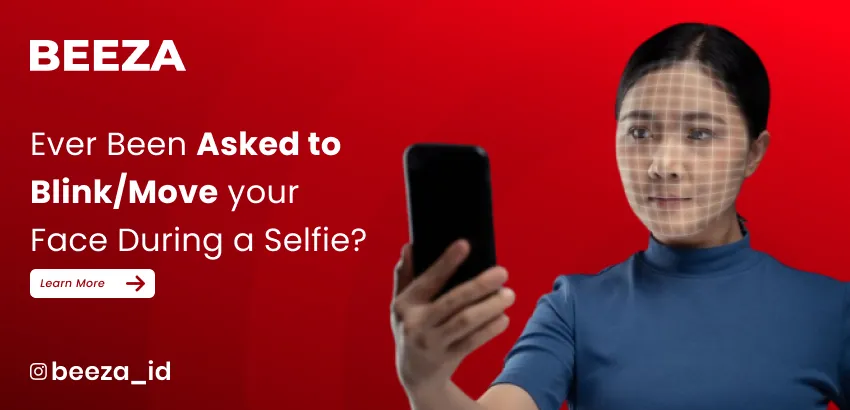
Have you ever wondered why some apps or online services ask you to blink, turn your head, or smile when taking a selfie for verification? That’s not just for fun – it’s called liveness detection, a vital security feature in modern digital identity verification.
What Is Liveness Detection?
Liveness detection is a technology used to ensure that the person verifying their identity is physically present in real-time – not just showing a photo, video, or deepfake.
In today’s digital world, verifying identity only through static photos isn’t safe enough. Criminals can easily use stolen photos, fake images, or even sophisticated AI-generated deepfakes to trick systems that rely solely on photo matching.
Liveness detection helps prevent this by asking the user to perform certain actions that confirm they are a real, live person – like blinking, smiling, moving their head, or following a dot with their eyes.
Why Liveness Detection Is So Important
1. Prevents Identity Fraud
Hackers and fraudsters love exploiting weak verification systems. Liveness detection makes it much harder for them to impersonate someone else using photos or videos.
2. Ensures Secure Transactions
Banks, fintech companies, and online platforms increasingly use liveness detection to secure account openings, digital signatures, and high-value transactions. It keeps your sensitive data safer.
3. Builds Customer Trust
Customers feel more confident when they know their personal data is protected with advanced security measures. Businesses that adopt liveness detection show they take security seriously.
How Liveness Detection Works
Liveness detection can work in two ways:
✅ Passive Liveness Detection
The system checks for signs of life automatically – like small movements, light reflections in the eyes, or natural skin texture – without requiring the user to do anything special.
✅ Active Liveness Detection
This method asks the user to perform certain tasks like blinking, turning their head, smiling, or reading random numbers aloud. The system then checks whether these actions happen naturally and in sync with the instructions.
Combining these methods creates multiple layers of protection to detect even the most sophisticated spoofing attempts.
Where You’ll Find Liveness Detection
Liveness detection is already used widely in:
- Online Banking & Fintech
Verifying customers during account registration or loan applications. - Digital Signatures
Ensuring the right person signs important documents securely. - Remote Work & Recruitment
Validating the identity of remote employees or candidates during interviews. - E-commerce & Marketplaces
Preventing fake accounts and protecting sellers and buyers from scams.
Liveness Detection in Your Daily Life
You might not realize it, but you probably already use liveness detection. Have you ever:
✔️ Been asked to blink for a selfie when verifying your ID online?
✔️ Had to turn your head left or right for a banking app?
✔️ Used facial recognition to unlock your phone with an extra head movement check?
That’s liveness detection working to keep you safe!
Why Businesses Should Adopt Liveness Detection
If you run a business that handles customer onboarding, sensitive transactions, or any form of digital identity verification, liveness detection is not an option – it’s a necessity.
Here’s why:
- Reduce fraud-related losses.
- Make identity checks faster and more reliable.
- Comply with regulatory requirements for KYC and data protection.
- Deliver a smooth, secure customer experience.
Beeza and Liveness Detection
Beeza helps businesses strengthen their digital security with advanced liveness detection and eKYC solutions. From biometric checks to real-time ID validation, Beeza’s technology ensures every customer is verified accurately and safely – without slowing down your business.
So next time you’re asked to blink or smile for your phone camera, remember: you’re not just taking a selfie – you’re protecting your identity.