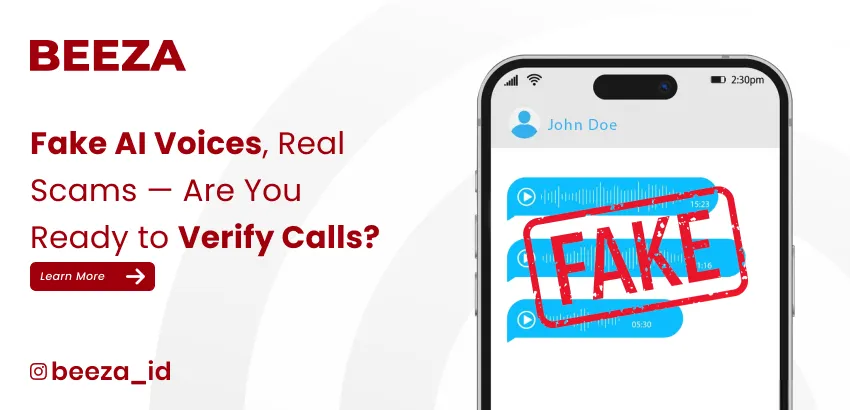
Voice Cloning: When AI Imitates Trust
With the rise of voice cloning technology, scammers can now impersonate your boss, colleague, or family member. It’s time to upgrade your verification systems before it’s too late.
The voice on the other end of the call sounds exactly like your boss. The request is urgent — transfer funds now. But what if it’s not really them?
Thanks to advancements in artificial intelligence, specifically voice cloning, cybercriminals can now replicate a person’s voice from just a few seconds of audio. These scams are no longer science fiction — they’re happening today, targeting employees, companies, and individuals across the globe.
This article explores how AI-powered voice scams work, the psychological traps they exploit, and how businesses and individuals can respond using stronger verification layers, digital signature systems, and real-time authorization solutions.
In the past, impersonating someone convincingly over the phone required significant acting skills. Today, AI can replicate a person’s voice from just 3 to 10 seconds of recorded audio. This advancement in synthetic voice technology, known as voice cloning, is increasingly accessible through open-source tools and black-market services.
Cybercriminals are now leveraging this technology to stage urgent phone calls that sound like they’re coming from a CEO, team leader, or even a close relative. The goal: to manipulate the target into transferring money or disclosing sensitive information — quickly and without verifying the authenticity of the caller.
According to research from McAfee, nearly 25% of people globally have encountered or know someone who has encountered AI-based voice fraud. The rise of deepfake audio is just beginning, and it’s exposing how much we rely on vocal cues to determine authenticity.
The Real-World Threats of AI Voice Scams
AI voice scams aren’t just theoretical. There have already been reported cases of corporate employees receiving urgent calls from what they thought were their executives, asking for large wire transfers.
In one high-profile incident in the UK, a CEO of a company was tricked into transferring €220,000 to a Hungarian supplier after receiving a phone call from someone mimicking the German parent company’s chief executive. The voice was eerily accurate, with tone, cadence, and accent indistinguishable from the real executive.
These scams play on urgency, fear, and hierarchy. The caller may say things like, “This must be done immediately,” or “We’ll miss a deal if you don’t act now.” Combined with the familiarity of the voice, this tactic disarms skepticism.
But AI voice scams aren’t limited to businesses. Individuals have also been targeted by criminals impersonating distressed relatives in need of money, exploiting emotions in moments of perceived crisis.
Why Traditional Verification Methods Fall Short
Voice alone can no longer be a trusted factor for verification. Traditional phone-based confirmations — especially those without visual or secondary validation — are easily manipulated in this new threat landscape.
Relying on voice recognition as an informal standard of trust creates a wide-open door for social engineering. The more urgent the request sounds, the less likely a person is to double-check.
That’s why companies must urgently reassess how they validate identity in calls, especially when the stakes involve authorizations, transfers, or sensitive decisions.
How to Mitigate AI Voice Fraud: Smart Layers of Protection
Here’s how companies and individuals can stay ahead:
Implement Multi-Layered Verification Procedures
Instead of relying solely on a voice, create structured steps for validating any financial or operational request — especially those involving fund transfers. Use confirmation codes, video calls, or secure messaging tools for cross-verification.
Use Digital Signature Systems
Require digital signatures for approval of critical documents and transactions. These are harder to fake and leave a verifiable trail that helps in audits and investigations.
Set Up Real-Time Authorization Notifications
Let your systems send real-time alerts for any high-risk requests. If someone attempts a suspicious transaction or authorization, stakeholders should be immediately informed and able to intervene.
Educate Employees and Family Members
Regularly update your teams (and even relatives, in personal cases) on the dangers of AI voice fraud. Awareness is one of the strongest first lines of defense.
Use Identity Verification Tools
Biometric authentication, face match tools, and liveness detection can help verify the legitimacy of users in video or voice interactions.
Don’t Just Rely on Hearing — Verify Everything
In this new era of AI-powered deception, relying on familiar voices is not enough. Security must evolve from “trust by tone” to “trust by protocol.”
The emotional power of hearing a trusted voice can cloud our judgment — and that’s exactly what fraudsters are counting on. The only way forward is implementing layered, traceable, and auditable verification processes that go beyond traditional cues.
Protect Your Users, Your Brand, and Your Operations
Don’t wait for an AI voice scam to test your team’s response. Upgrade your verification and authorization processes with Beeza today.🔐 Visit: www.beeza.id