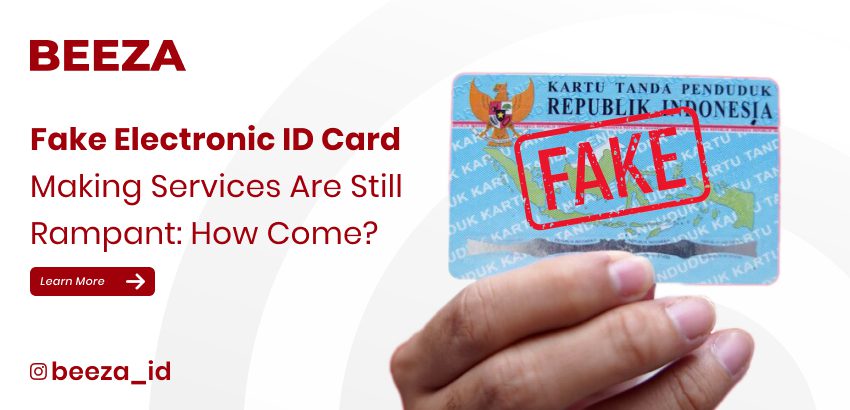
The Rise of Fake Electronic ID Card in the Digital Era and the Need for Layered Verification to Combat Fraudulent Identities
In today’s digital era, the electronic ID card (e-KTP) was supposed to be a stronghold in the identity verification process. Unfortunately, the reality on the ground is far from ideal. Fake ID services are increasingly rampant—even with highly convincing results. With just a KTP photo and some editing skills, fake identities can be made in minutes. Even more concerning, many institutions still rely on manual verification processes—merely checking the physical look of a document without any biometric checks. This leaves a massive loophole for criminals to slip in with fictitious identities, commit data theft, or perpetrate digital fraud. This phenomenon proves that digital documents alone aren’t enough. Without supporting technologies such as liveness detection, face matching, or multi-layered authentication, the risk of data leaks and identity abuse continues to threaten.
The Fake e-KTP Phenomenon: Why Does It Happen?
Although the e-KTP was designed to be difficult to counterfeit, fake ID services are proliferating across online platforms, from instant messaging to social media. The methods vary: from offering KTP photo edits to appear credible, data falsification, to providing ready-to-use digital files for illegal activities.
Main factors driving this trend include:
- Advanced and accessible editing technology: Fraudsters only need standard design software or mobile apps to produce convincing fake IDs rapidly.
- High demand for fake identities: Used for illegal online loans, SIM card registrations, or marketplace scams.
- Low digital literacy and lack of biometric checks in many institutions, resulting in fake KTPs easily “passing” verification.
The Weakness of Manual Verification: A Major Vulnerability
Many organizations still verify identities manually:
- Only checking the visual or photocopy of the KTP, with no confirmation to central databases or chip verification.
- No biometric (face/fingerprint) matching or liveness detection.
- Acceptance of scanned/digital documents via email without thorough authenticity checks.
As a result, institutions—from fintech and banks to e-commerce, telco operators, and even government agencies—are vulnerable to onboarding users with fake IDs. Data from the Ministry of Communications and Informatics (Kominfo) and police show that fraud and cybercrime involving fake KTPs have surged nationwide.
The Big Risks in the Digital Age
- Data and Identity Theft: Criminals can infiltrate digital platforms, access financial services, or execute fraud under someone else’s name.
- Economic Losses: Numerous documented cases of fictitious online loans or fraudulent transactions have cost financial institutions hundreds of billions of rupiah.
- Damaged reputation and public trust: The proliferation of fake IDs makes the public more cautious and erodes trust in digital services.
Latest Data and Facts (2024–2025)
- According to Indonesia Fintech Association (AFTECH), over 30% of fintech fraud stems from fake IDs that slip past traditional verification.
- The National Police (Bareskrim Polri) reported a 120% increase in digital identity forgery cases in the first half of 2025, with most cases involving e-KTPs.
- Kominfo estimates annual economic losses from fake ID-related crimes to be in the hundreds of billions of rupiah.
- Regulators highlight that many cases of duplicate identities in finance and government arise from the lack of digital biometric verification.
Solution: Embrace Layered Digital Verification
To prevent institutions from being “fooled” by high-tech fake IDs, solutions must address technology, security, and legal compliance:
- Liveness Detection & Face Matching:
Verification should go beyond comparing photos; it must confirm a live presence via camera and match the face to official biometric data. - Multi-Factor Authentication:
Besides documents, require OTP, biometrics, and legally binding digital signatures. - Validity Checks with National Identity Databases:
Integration with the civil registration (Dukcapil) ensures e-KTP data matches the government’s records. - Digital Audit Trails & Anomaly Detection:
All verification steps are documented, enabling effective detection and investigation in case of fraud.
Beeza: Digital Trust Solutions to Fight Fake IDs
As a leading digital trust platform, Beeza delivers cutting-edge, layered identity verification technologies:
- Real-Time Liveness Detection and Face Match ensuring the person is the true holder, not a fake or edited image.
- Automated, certified e-KYC checking with the national database and authenticating documents instantly.
- Official PSrE-certified Digital Signatures granting legal validity to every transaction or electronic approval.
- Comprehensive digital audit trails ensuring all processes are documented and easily traceable for audits.
With Beeza, enterprises and institutions can close fraud loopholes, strengthen compliance, and protect consumers from fake-identity threats.
Conclusion
The rise of fake electronic KTP services is proof that digital documents without modern verification are vulnerable to fraud. To mitigate these risks, organizations must implement trusted, legal, and integrated digital authentication—such as Beeza. Only with end-to-end verification can optimal data security and public trust be maintained.
Don’t let fake ID cases ensnare your business or customers. Optimize identity verification with Beeza’s digital trust solution to ensure only genuine identities pass through. Request a free demo and complete information at beeza.id—secure your digital identity, starting now!