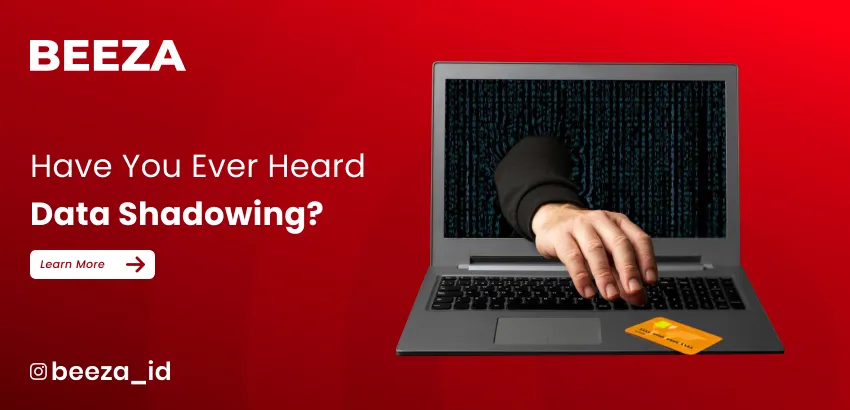
In this digital age, data is everywhere. Every time you sign up for a new app, shop online, or log in with social media, you leave a trail — a trail that can grow into something called Data Shadowing.
So, what exactly is Data Shadowing? Simply put, it’s the hidden, often unnoticed collection and duplication of your personal data by apps, websites, or digital systems — sometimes without you even realizing it. This “shadow” data can be stored, copied, or even sold to third parties.
How Does Data Shadowing Happen?
It usually starts innocently. Maybe you:
- Use the same email to sign up for dozens of apps.
- Click “Agree” to all terms and conditions without reading them.
- Allow apps to access your contacts, photos, or location.
- Connect your social media account to play a game or use a service.
All these small actions can generate hidden copies of your data. Sometimes it’s stored by the app for “future use” — but sometimes, it’s shared with advertising networks, data brokers, or even cybercriminals if security is weak.
What’s the Risk?
The real danger of Data Shadowing is that you often don’t know who has your data or how it’s being used. When your personal data spreads uncontrollably, it opens doors to:
- Spam and targeted ads that feel way too personal.
- Identity theft if your details fall into the wrong hands.
- Fraud, if someone uses your data to impersonate you.
- Privacy leaks if your data is sold or exposed in a breach.
In the worst case, your personal life, habits, or even financial information can be misused without your consent.
Why Should You Care Now?
Many people assume, “It’s just my email, what’s the harm?” But when multiple pieces of your data — name, email, phone, location, behavior — are combined, they paint a very detailed picture of who you are.
This is exactly what many data-hungry companies want. Your “shadow” data becomes a gold mine for advertisers, political campaigns, or hackers.
How to Reduce Data Shadowing
Here are some simple steps to protect yourself from silent data collection:
✅ Think Before You Click “Allow”
Every time an app asks for permission — like access to your camera, mic, or contacts — ask yourself: “Is this really necessary?”
✅ Limit Social Media Logins
It’s convenient to log in with Facebook or Google, but this links your entire account ecosystem together. Consider creating separate logins with unique passwords instead.
✅ Read Privacy Policies (or at Least Skim Them!)
You don’t have to read every word, but look for sections about data sharing, third parties, and how to opt out.
✅ Use Digital Tools That Prioritize Security
Choose platforms and services that apply encryption and strong data privacy measures. Businesses that use secure digital verification — like eKYC — help prevent unnecessary copies of your data from circulating.
✅ Clean Up Old Accounts
Delete unused accounts you no longer need. Many people have dozens of old apps or sites that still store their info.
How Businesses Can Help
Data Shadowing isn’t just an individual’s responsibility. Companies need to protect user data by:
- Applying clear privacy policies.
- Using verified, encrypted systems for digital onboarding.
- Implementing modern tools like digital identity verification to ensure data is accurate, relevant, and not duplicated unnecessarily.
Platforms like Beeza help businesses manage digital verification securely and transparently, so customers don’t leave unnecessary data trails behind.
Stay Aware, Stay Safe
The truth is, you can’t fully eliminate your digital shadow — but you can control it. Being more mindful of what you share, and choosing secure services, helps reduce risks.
So next time an app asks for “just a little more info,” think twice. Your data is valuable. Don’t let your data shadow grow into something you can’t control. Contact Us for more informations and solutions.